
Stainless & hybrid ceramic bearings
Select stainless rings and rolling elements for the operating conditions. Hybrid bearings use metal rings and ceramic balls, distinct from full-ceramic bearings.
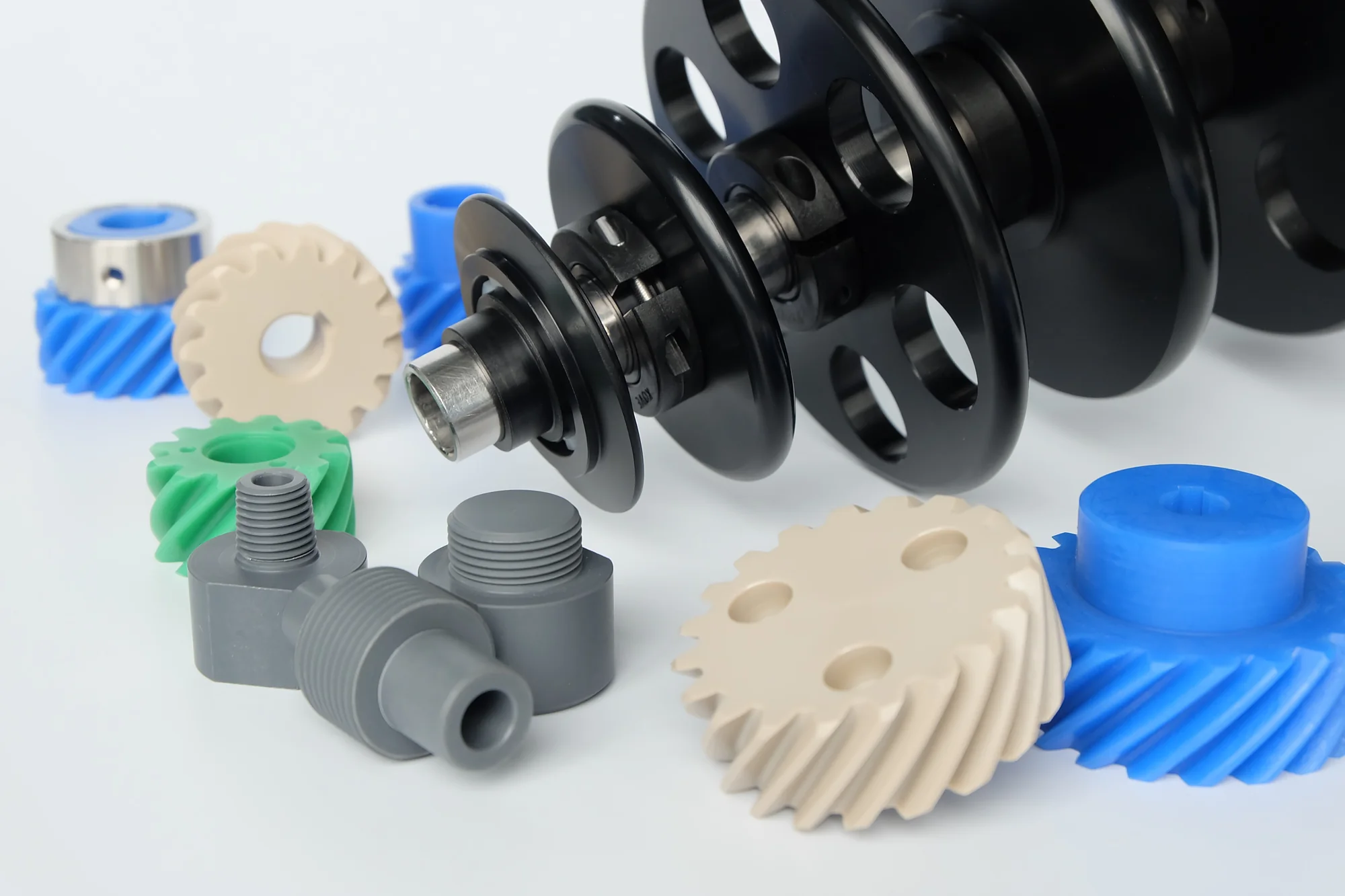
Stainless and hybrid ceramic bearings, plus equipment rollers, gears, ball transfers, bearing housings and shaft assemblies.
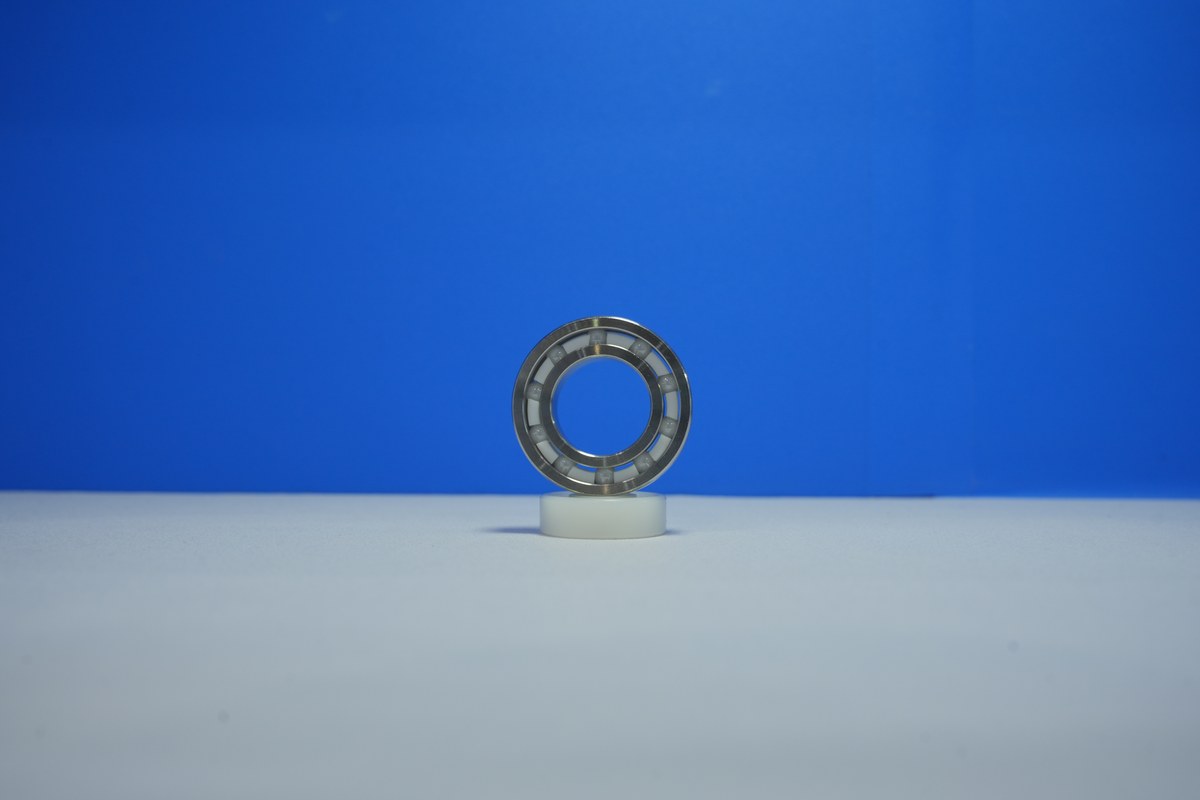
Select stainless rings and rolling elements for the operating conditions. Hybrid bearings use metal rings and ceramic balls, distinct from full-ceramic bearings.
Rollers, guide wheels, gears, ball transfers, housings and shaft assemblies. Polymer, ceramic and metal materials are specified separately.
Select bearings for radial/axial loads and speed; rollers, gears and shaft assemblies also need contact, drive and locating requirements.
440C, 304 and 316L differ in hardness and corrosion response. Hybrid ceramic bearings still contain metal rings.
Confirm seals, cages, housings and assembly dimensions separately. Specify whether transmission parts are polymer, ceramic or metal.
Select bearings for radial/axial loads and speed; rollers, gears and shaft assemblies also need contact, drive and locating requirements. 440C, 304 and 316L differ in hardness and corrosion response. Hybrid ceramic bearings still contain metal rings. Confirm seals, cages, housings and assembly dimensions separately. Specify whether transmission parts are polymer, ceramic or metal.
Share bore, outside diameter, width or a drawing, plus load direction, speed or oscillation frequency, temperature, process media and the current failure mode. Confirm the model against these conditions.