
MYT engineering selection notes
Ceramic vs Stainless Bearings: Media, Loads and Installation
A practical comparison of full-ceramic, hybrid ceramic and stainless bearings, based on process media, loading, insulation and installation.
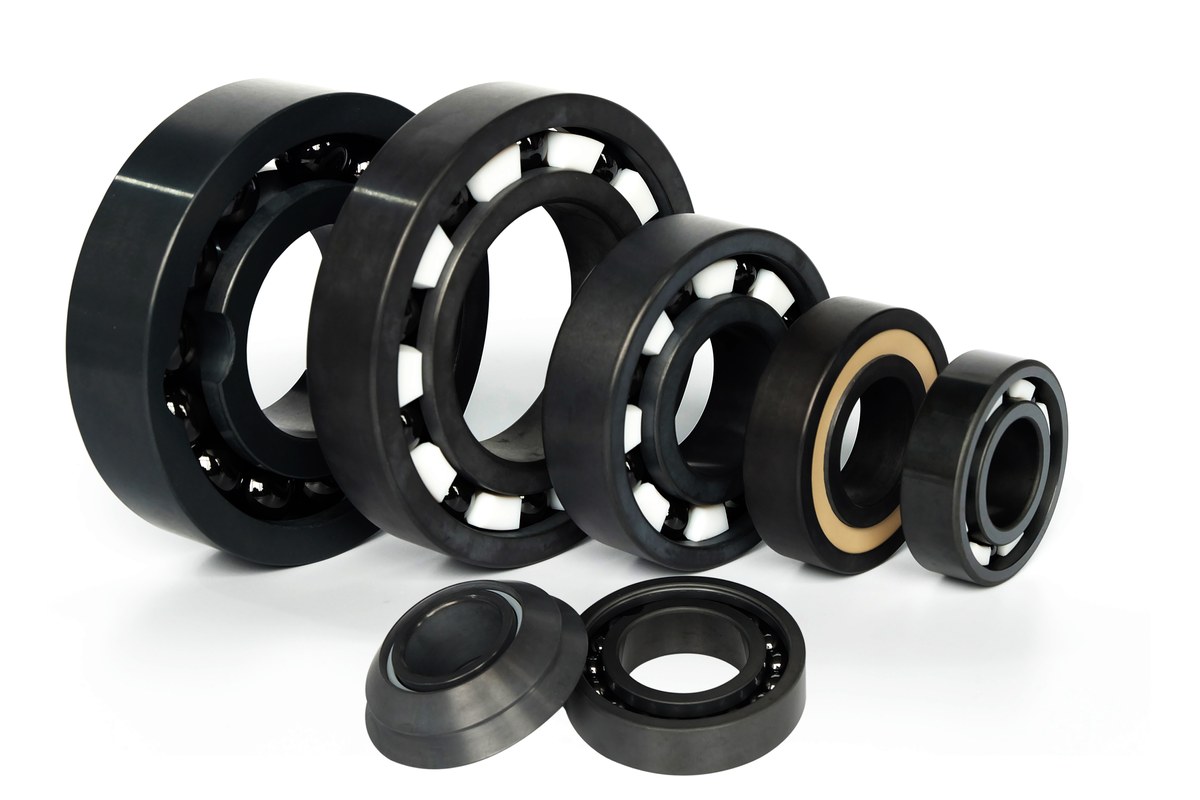
Compare the construction before selecting a material
Full-ceramic, hybrid ceramic and stainless bearings have different component lists. Identify the rings, rolling elements, cage, seals and lubricant before checking the duty. Zirconia, silicon nitride and silicon carbide also require a defined grade. A material name does not establish the corrosion, insulation or temperature capability of the complete assembly.
Describe how chemical exposure occurs
State the medium, concentration, temperature stages, immersion or spray exposure, contact time and cleaning sequence. A hybrid bearing still has metal rings; a full-ceramic design may have polymer cages and seals. Review every exposed component rather than inferring resistance to all acids and alkalis from the ball material.
Define the electrical problem in a motor application
Ceramic rolling elements can be considered when reviewing current paths between shaft and housing. Provide the drive arrangement, shaft-voltage or damage records, speed, load, lubrication and grounding layout. SKF explains the steel-ring/silicon-nitride construction and its insulating function. This does not establish an insulation rating for a MYT assembly.
Confirm mounting and validation for the actual model
Include shaft and housing details, fits, operating clearance, temperature changes and where mounting force is applied. Add failure photographs when replacing a part. For a hybrid construction, browse the stainless and ceramic families and confirm the metal ring and ceramic ball materials separately. Agree the materials, tolerances and validation conditions for the selected model and drawing.
Component comparison of three constructions
| Construction | Rings and rolling elements | Further checks |
|---|---|---|
| Full ceramic | Ceramic rings and ceramic rolling elements; specify each material | Cage, seals, lubricant and mounting fits |
| Hybrid ceramic | Metal rings with ceramic rolling elements | Chemical exposure of the metal rings and the insulation requirement |
| Stainless | Stainless grades defined in the component list | Do not assume that rings, balls and cage all use one grade |
Fill-in chemical exposure checklist
- Medium / concentration: ____; exposure method and duration: ____.
- Operating temperature and changes: ____; cleaning agent, temperature and cycle: ____.
- Radial / axial loads, shock, speed and duty cycle: ____.
- Bearing dimensions or drawing revision: ____; shaft, housing and assembly method: ____.
- Location of corrosion, wear or seizure: ____; acceptance conditions: ____.
Additional inputs for electrical insulation
- Motor and drive arrangement, shaft voltage or electrical damage: ____.
- Current path to interrupt, grounding and other conductive components: ____.
- Insulation verification method and acceptance criteria: ____; mark unknowns as to be confirmed.
Selection questions
Can a hybrid bearing directly replace a full-ceramic bearing?
Matching dimensions alone do not establish interchangeability. A hybrid still has metal rings; review media, loads, clearance, lubrication and installation again.
Do ceramic balls eliminate the need for lubrication?
Not by themselves. Rolling contacts, cage, seals and operating conditions still need review. Ceramic balls do not provide universal permission to run dry.
Why is there no simple temperature or acid-resistance ranking?
Media, concentration, exposure and assembly materials differ. Compare identified models under the same conditions and agree prototype validation where needed.
Technical references and sources
These references explain construction principles and selection inputs. Confirm the MYT model, materials and operating limits against the actual application.
- SKF: hybrid construction and bearing life modelling
Supports the steel-ring / silicon-nitride construction and insulating function; its test and life results are not MYT ratings.
- SKF: stainless steel deep groove ball bearings (PDF)
Shows open, sealed and lubricated configurations; operating ratings apply to the specified SKF products.
- KOVE: official product categories
Lists full-ceramic, stainless / hybrid and component categories. A classification reference does not imply authorization or partnership.